18 Other Ways to Say Become (With Examples & Usage Tips)
The best synonyms for become are turn into, transform into, develop into, evolve into, grow into, mature into, change into, convert into, blossom into, and morph into. Each describes change a little differently — this guide shows you exactly when to use each one, with examples.
⏱ 8 min read
📅 Updated: October 19, 2026
“Become” is useful, but repeating it flattens your writing. English has vivid synonyms for become, each carrying its own shade of change — from the slow patience of evolve into to the drama of transform into.
Below are 18 stronger alternatives to “become”, each with its exact meaning, when to use it, when to avoid it, and natural examples. This guide is part of SpellDict‘s vocabulary series — see also our guides to synonyms for change, synonyms for positive, synonyms for better, and synonyms for explain.
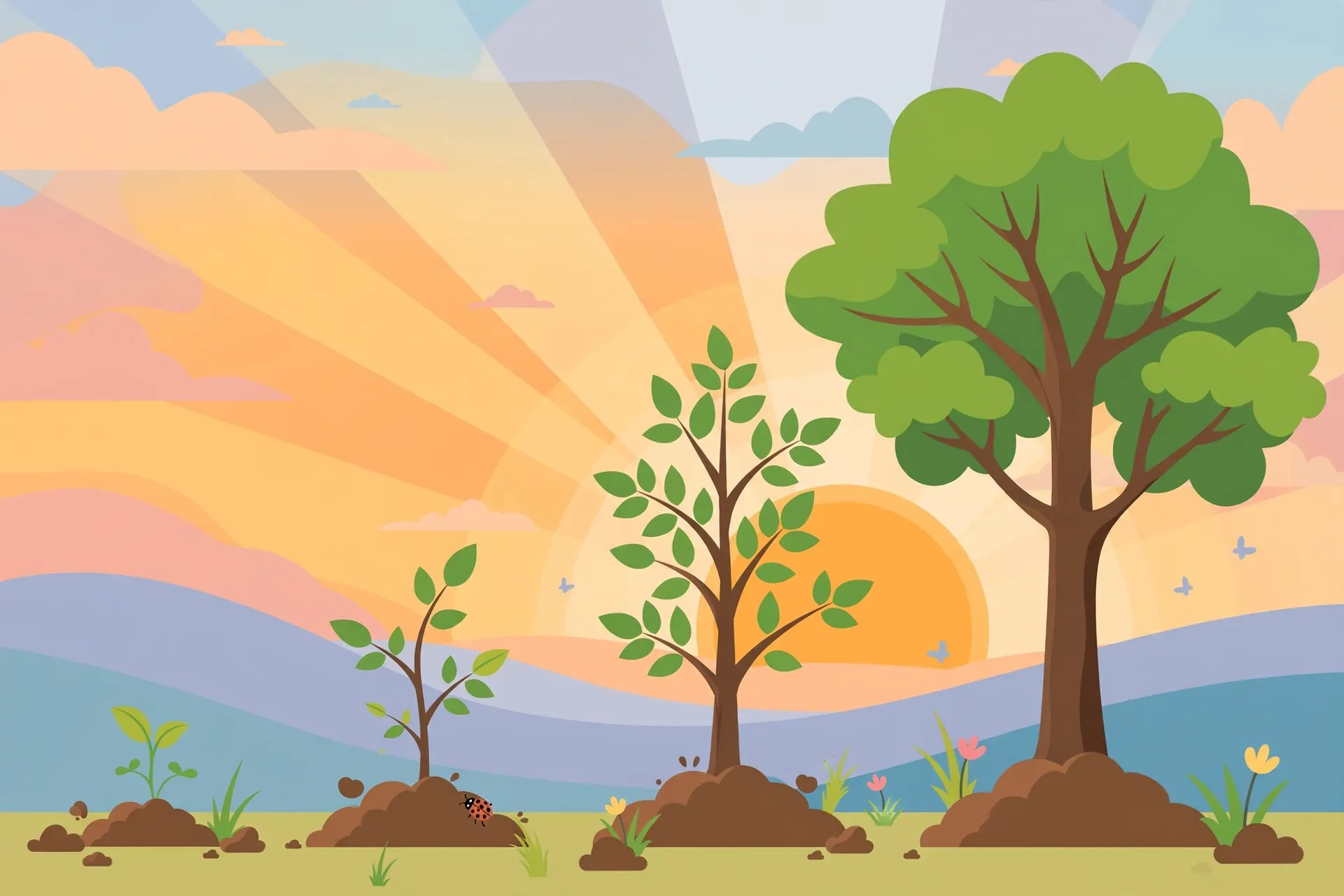
18 Different Ways to Say Become
1. Turn into
Meaning: To change completely from one thing to another.
Use it when: describing a full, visible transformation.
Avoid it when: describing gradual personal growth — it’s better for dramatic change.
- The quiet backyard turned into a lively playground.
- Her rough sketch turned into a beautiful painting.
- Cold rain turned into soft snow by midnight.
2. Transform into
Meaning: To change dramatically in form, appearance, or character.
Use it when: the change is big, bold, and noticeable.
Avoid it when: describing small everyday changes — it’s too strong for minor shifts.
- The old warehouse transformed into a modern art gallery.
- Regular practice transformed his weak serve into a weapon.
- She transformed a simple recipe into a family tradition.
3. Develop into
Meaning: To grow gradually into something over time.
Use it when: describing processes that unfold step by step.
Avoid it when: describing sudden changes — develop is always gradual.
- Their small stall developed into a popular restaurant.
- His curiosity developed into a lifelong passion for astronomy.
- The discussion developed into a heated debate.
4. Evolve into
Meaning: To change slowly and naturally over a long period.
Use it when: describing long-term, organic change.
Avoid it when: talking about deliberate, overnight changes.
- The family business evolved into a nationwide chain.
- Her teaching style evolved into something calmer and wiser.
- Ancient trails evolved into busy highways.
5. Grow into
Meaning: To gradually develop the qualities needed for a role or identity.
Use it when: describing people fitting into something over time.
Avoid it when: describing objects — grow into suits people and roles.
- He slowly grew into his role as team captain.
- She grew into a thoughtful and patient leader.
- The puppy grew into a gentle giant.
6. Mature into
Meaning: To become fully developed, wise, or complete.
Use it when: describing positive growth toward adulthood or excellence.
Avoid it when: the change is negative — mature always feels positive.
- The young writer matured into a respected novelist.
- The startup matured into a stable, profitable company.
- She matured into the most dependable person on the team.
7. Change into
Meaning: To take on a different form, state, or role.
Use it when: you need a clear, neutral way to say become.
Avoid it when: you want emotion or drama — change into is deliberately plain.
- The living room changed into a study area.
- His doubt changed into confidence during the course.
- Daylight changed into a golden sunset.
8. Convert into
Meaning: To change something’s form, purpose, or use — usually deliberately.
Use it when: describing intentional, practical conversions.
Avoid it when: describing feelings — convert sounds mechanical.
- They converted the attic into a cozy bedroom.
- He converted his anger into focused energy.
- The old bank converted into a bookshop.
9. Morph into
Meaning: To change shape or character, often in a striking way.
Use it when: writing creatively or describing visual transformations.
Avoid it when: writing formally — morph is playful and informal.
- The fog morphed into strange shapes over the lake.
- Their friendship morphed into a strong partnership.
- The cartoon hero morphed into a dragon.
10. Blossom into
Meaning: To develop beautifully and fully, like a flower opening.
Use it when: describing lovely, flourishing growth.
Avoid it when: the change is neutral or negative — blossom is always beautiful.
- The shy student blossomed into a confident speaker.
- Their weekend hobby blossomed into a thriving business.
- Spring blossomed into the warmest season of the year.

11. Transition into
Meaning: To move smoothly from one state or phase to another.
Use it when: describing gradual, managed changes.
Avoid it when: chatting casually — transition sounds corporate.
- She transitioned into her new role within a month.
- The company transitioned into remote work smoothly.
- Autumn transitioned into a mild winter.
12. Shift into
Meaning: To move or change into a new state, often quickly.
Use it when: describing a change in mood, gear, or direction.
Avoid it when: describing deep personal growth — shift is surface-level.
- The conversation shifted into a serious tone.
- He shifted into high gear before the deadline.
- The mood shifted into quiet celebration.
13. Turn
Meaning: To change in condition or state.
Use it when: describing colors, weather, or emotions.
Avoid it when: you need precision — turn is wonderfully vague.
- The leaves turned gold in October.
- Her excitement turned to worry as the storm neared.
- The milk turned sour after a week.
14. Grow
Meaning: To develop naturally over time.
Use it when: describing slow, organic change.
Avoid it when: describing instant change — grow always takes time.
- He grew calmer with every deep breath.
- The town grew famous for its festivals.
- She grew fond of early morning walks.
15. Get
Meaning: To enter a new state or condition.
Use it when: speaking casually about emotions or conditions.
Avoid it when: writing formally — get is pure conversation.
- She got nervous before her first interview.
- The room got quiet when he entered.
- He got better at chess every month.
16. Come to be
Meaning: To arise or develop gradually.
Use it when: telling stories or explaining origins.
Avoid it when: describing people — it suits ideas and traditions better.
- The festival came to be a national tradition.
- Their friendship came to be the talk of the town.
- A new rule came to be after the long debate.
17. Emerge as
Meaning: To come out of a process as something new.
Use it when: describing leaders, trends, or winners rising up.
Avoid it when: describing simple physical changes — emerge is for prominence.
- She emerged as the clear winner of the contest.
- The city emerged as a hub for young artists.
- A new style emerged as the season’s favorite.
18. Turn out
Meaning: To end up being a certain way.
Use it when: revealing how something became after all.
Avoid it when: describing an ongoing process — turn out reports the result.
- The trip turned out better than expected.
- His guess turned out to be exactly right.
- The quiet boy turned out to be a gifted singer.
Become Synonyms: Formal vs. Casual Usage
Not every synonym fits every situation. Use this table to pick the right one — and explore related guides like synonyms for change and synonyms for serious.
| Situation | Best Picks |
|---|---|
| Formal writing / professional | develop into, evolve into, transition into, emerge as, mature into |
| Workplace | grow into, transition into, convert into, develop into |
| Everyday conversation | turn into, get, turn, change into, turn out |
| Emotional / personal | blossom into, grow, mature into, come to be |
| Creative writing | transform into, morph into, blossom into, turn into |
Common Mistakes When Using Become Synonyms
- Using “morph” in a job application. Morph is playful and visual — great for stories, terrible for cover letters. Use “develop into” or “transition into” instead.
- Saying “evolve” for overnight change. Evolve means slow, natural change over a long time. A company that rebranded in a week didn’t evolve — it transformed. Grammarly’s guide to synonyms stresses matching each word’s pace to your meaning.
- Mixing up “grow” and “get”. “Grow” takes time (she grew confident over years); “get” is instant and casual (he got nervous). Swap them and your timeline sounds wrong.
- Using “convert into” for feelings. Convert sounds mechanical and deliberate — fine for garages becoming offices, wrong for hearts becoming brave.

FAQs About Become Synonyms
What is the most formal synonym for “become”?
Evolve into, develop into, and transition into are the most formal. For business writing, “develop into” and “transition into” are safest.
What is the difference between “turn into” and “transform into”?
Both mean complete change, but “transform into” sounds bigger and more dramatic. A frog turns into a prince in a simple story; a city transforms into a cultural capital.
Can I use “get” instead of “become”?
In casual speech, yes — “she got tired” is natural. In formal writing, prefer “she grew tired” or “she became tired.”
Where can I discuss these words with other learners?
The r/EnglishLearning community on Reddit is a great place to ask native speakers about subtle differences between synonyms.
Final Thoughts on Become Synonyms
“Become” is a fine word, but the right synonym makes change feel alive. Slow and natural? Evolve into. Beautiful and flourishing? Blossom into. Bold and dramatic? Transform into. Match the word to the pace of the change.
Keep building your vocabulary with SpellDict — every new word is a new way to describe the world.