Incident Synonyms: 18 Other Ways to Say Incident (With Examples & Usage Tips)
18 Synonyms6 min readUpdated Oct 2026
Quick answer: the best incident synonym depends on tone — use event for neutral moments, occurrence for formal writing, mishap for small accidents, and crisis or catastrophe when things turn serious. Below you will find 18 choices with meanings, usage tips, and original examples.
Contents: Incident Synonyms at a Glance
- 18 Synonyms for Incident (With Examples)
- Formal vs. Casual Incident Synonyms
- 4 Common Mistakes When Using Incident Synonyms
- FAQs About Incident Synonyms
- Final Thoughts
An incident is simply something that happens — but the word itself is vague. It can describe a wedding, a car crash, a diplomatic row, or a laboratory anomaly, which is exactly why writers reach for sharper alternatives. Choosing the right incident synonym tells your reader instantly how serious, formal, or surprising the moment was. If you enjoy building a richer vocabulary, explore more guides on SpellDict, such as happy synonyms and strong synonyms.

18 Synonyms for Incident (With Examples)
1. Event
Meaning: A planned or unplanned thing that happens, from a concert to a chance meeting. It is the most neutral, all-purpose swap for incident.
When to use: Everyday writing, news, and storytelling when the tone should stay neutral.
When to avoid: When the happening was an accident, a crime, or a crisis — event sounds too mild.
- The school science fair was the biggest event of the year for the students.
- A sudden power cut turned the evening into an unexpected event for the whole street.
- She described the book launch as a joyful event she would never forget.
2. Occurrence
Meaning: A formal way of saying that something happened, often used when the focus is on the fact itself rather than the drama around it.
When to use: Reports, essays, and scientific or official writing.
When to avoid: Casual chat, where it can sound stiff and overly technical.
- The report noted a rare occurrence of frost in the valley in late spring.
- Engineers studied every occurrence of the fault before redesigning the valve.
- The strange occurrence at dawn left the whole village talking for days.
3. Episode
Meaning: One distinct part of a longer story or series of happenings, often with its own beginning and end.
When to use: Stories, memoirs, and history writing where one chapter stands out.
When to avoid: A single isolated happening with no larger story around it.
- The episode at the border crossing became a turning point in her travel diary.
- He recalled an amusing episode from his first week at the new job.
- That difficult episode taught the team to double-check every booking.
4. Happening
Meaning: A casual, light word for something that takes place, often something spontaneous or slightly unusual.
When to use: Friendly conversation, blogs, and social writing.
When to avoid: Formal reports or serious news, where it sounds too vague.
- A strange happening at the market drew a small crowd of curious onlookers.
- The weekend was full of happy happenings, from street music to surprise reunions.
- She laughed as she retold the odd happening on the night bus home.
5. Accident
Meaning: An unplanned happening that causes harm, damage, or disruption, and that nobody intended.
When to use: News, safety reports, and any account of injury or damage.
When to avoid: A planned event or a happy surprise — accident always implies something went wrong.
- A minor accident on the icy road delayed traffic for an hour.
- The spilled paint was a pure accident, not carelessness.
- Workplace rules were rewritten after the accident in the warehouse.
6. Mishap
Meaning: A small, unfortunate accident — annoying rather than serious, and often a little funny in hindsight.
When to use: Light storytelling and everyday anecdotes about minor setbacks.
When to avoid: Serious injuries, disasters, or legal matters, where it sounds dismissive.
- A printing mishap meant the invitations arrived a day late.
- The picnic survived one mishap: a sudden shower soaked the blankets.
- Thanks to a booking mishap, they spent their first night in a different hotel.
7. Case
Meaning: One specific example of something happening, treated as a matter to examine, especially in law, medicine, or official work.
When to use: Legal, medical, and investigative writing.
When to avoid: Casual stories, where it sounds cold and bureaucratic.
- The police opened a case after the break-in at the gallery.
- Doctors reviewed the case before deciding on treatment.
- Each case of missing luggage was logged and traced separately.
8. Situation
Meaning: The set of circumstances around a happening, focusing on conditions rather than the single moment itself.
When to use: Advice, analysis, and descriptions of ongoing problems.
When to avoid: A brief, single moment — situation stretches the moment into a state of affairs.
- The rescue team assessed the situation before entering the building.
- A calm reply can defuse a tense situation in seconds.
- She handled the tricky situation at the border with patience and humour.
9. Affair
Meaning: A happening that carries weight or public interest, often political, personal, or social in nature.
When to use: News and commentary about matters of importance.
When to avoid: Trivial everyday happenings, where it sounds pompous.
- The diplomatic affair dominated the front pages for a week.
- A local charity affair raised money for the flooded library.
- The whole affair began with a single misplaced letter.
10. Crisis
Meaning: A serious, urgent happening that demands immediate action and may bring danger or major consequences.
When to use: Emergencies, disasters, and turning points in business or politics.
When to avoid: Minor inconveniences — calling a late bus a crisis destroys your credibility.
- The hospital activated its emergency plan during the flood crisis.
- A sudden water shortage pushed the town into a crisis.
- Good leadership shows most clearly in a crisis, not in calm times.
11. Encounter
Meaning: A meeting or brush with someone or something, usually unexpected and often memorable.
When to use: Travel writing, personal stories, and wildlife or celebrity anecdotes.
When to avoid: Routine, planned meetings — encounter implies surprise.
- Her encounter with a fox on the morning trail delighted her.
- The climbers described their close encounter with the storm.
- A chance encounter in the bookshop led to a lifelong friendship.
12. Circumstance
Meaning: The conditions surrounding a happening, used to explain why something turned out the way it did.
When to use: Reflective and explanatory writing where context matters.
When to avoid: When you need a punchy, concrete noun for the happening itself.
- Given the circumstances, waiting until morning was the wise choice.
- The circumstances of the delay were finally explained in the report.
- She judged his decision by the circumstances, not just the outcome.
13. Altercation
Meaning: A heated argument or physical clash between people — an incident defined by conflict.
When to use: News, police reports, and dramatic storytelling.
When to avoid: Peaceful or accidental happenings with no conflict at all.
- An altercation outside the stadium delayed the start of the match.
- The neighbours’ altercation over parking ended with an apology.
- Witnesses described the altercation as loud but brief.
14. Confrontation
Meaning: A face-to-face clash, often verbal, where two sides meet in open disagreement.
When to use: Drama, politics, and workplace stories about direct conflict.
When to avoid: Accidents or natural events with no opposing sides.
- The confrontation between the two captains set the tone for the match.
- A confrontation at the town hall meeting forced a vote that night.
- She avoided a confrontation and raised the issue by email instead.
15. Breakdown
Meaning: A failure — of a machine, a plan, or communication — that itself becomes the incident.
When to use: Technical, workplace, and logistics writing about things going wrong.
When to avoid: Human conflicts or crimes, where breakdown misleads the reader.
- A breakdown in the signalling system halted trains for hours.
- The car suffered a breakdown miles from the nearest garage.
- Clear handover notes prevent the kind of breakdown that derails projects.
16. Catastrophe
Meaning: A disastrous happening with large-scale damage or suffering — the strongest word on this list.
When to use: Major disasters, history, and high-stakes news.
When to avoid: Everyday setbacks — save it for genuine disaster or it loses all force.
- The earthquake was a catastrophe for the coastal towns.
- A data breach became a financial catastrophe for the small firm.
- Historians still debate how the catastrophe could have been prevented.
17. Fracas
Meaning: A noisy, disorderly scuffle or rowdy disturbance, full of shouting and confusion.
When to use: Colourful reporting and lively storytelling about rowdy scenes.
When to avoid: Formal reports or quiet incidents — fracas promises noise and chaos.
- A fracas erupted among rival fans after the final whistle.
- The fracas in the market square scattered shoppers in all directions.
- What began as a debate ended in a brief fracas over the last ticket.
18. Development
Meaning: A new happening in an unfolding story, especially one that changes what happens next.
When to use: News updates and ongoing stories where the situation keeps moving.
When to avoid: A finished, one-off happening with no sequel.
- A late development in the trial surprised even the lawyers.
- The rescue effort took a hopeful development when a signal was found.
- Each new development in the negotiations was reported within the hour.
Formal vs. Casual Incident Synonyms
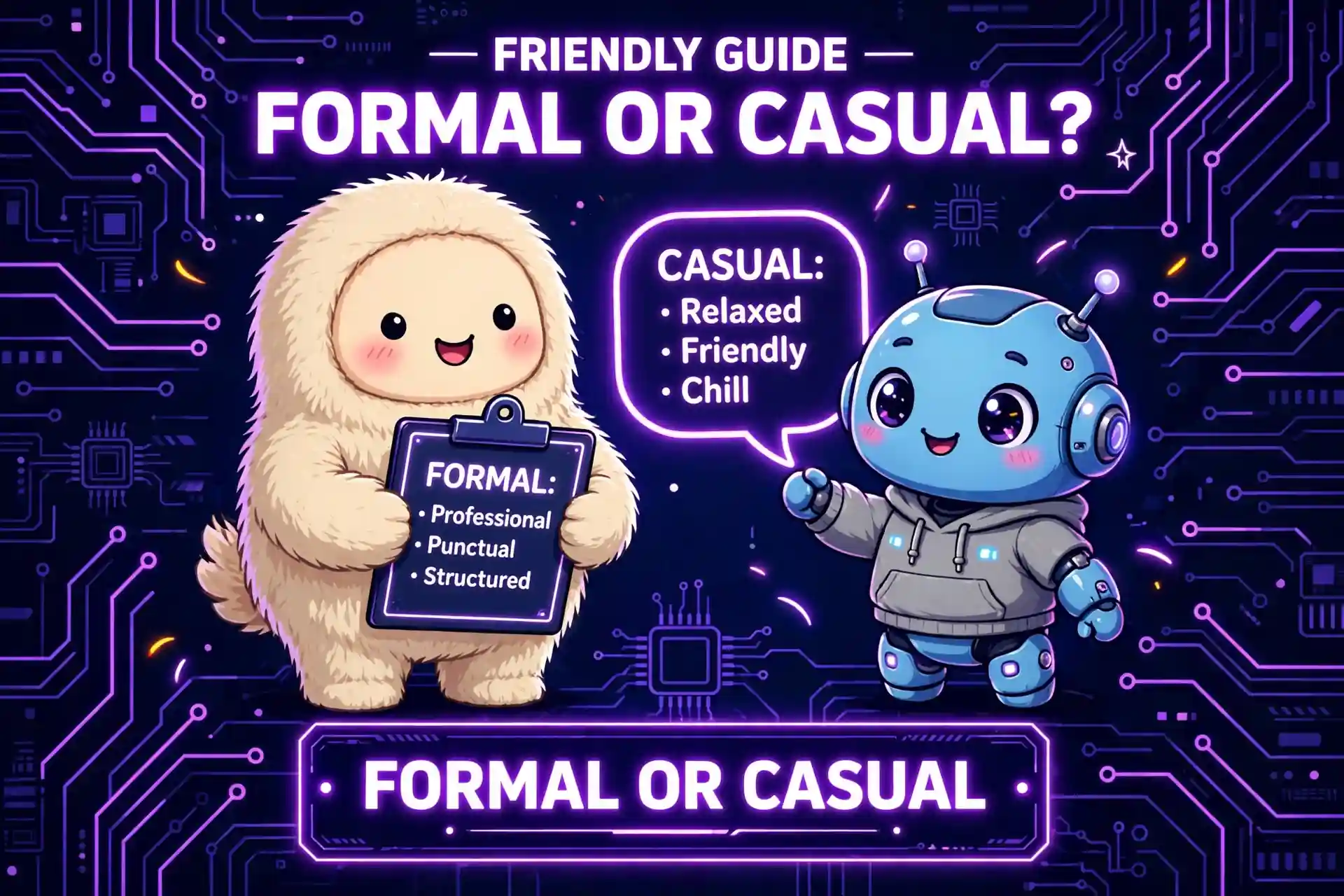
Register matters as much as meaning. A word that shines in a police report can flop in a text message. Use this table to match your incident synonym to the setting.
| Synonym | Formal use | Casual use | Best for |
|---|---|---|---|
| Event | An official event | A fun event | Neutral, all-purpose moments |
| Occurrence | A rare occurrence | Sounds stiff | Reports and academic writing |
| Episode | A historical episode | A funny episode | Stories with a larger arc |
| Happening | Too vague | A weird happening | Chatty, spontaneous moments |
| Accident | A road accident | A kitchen accident | Unplanned harm or damage |
| Mishap | A minor mishap | A silly mishap | Small, light setbacks |
| Case | A legal case | Sounds cold | Law, medicine, investigations |
| Crisis | A financial crisis | Overdramatic for small problems | Urgent, serious turning points |
| Encounter | An encounter report | A chance encounter | Surprise meetings |
| Fracas | A public fracas | A noisy fracas | Rowdy, chaotic scenes |
4 Common Mistakes When Using Incident Synonyms
Mistake 1: Calling every accident an incident synonym like event
Event hides harm. If someone was hurt, say accident or mishap, not event — readers deserve the honest weight of what happened.
Mistake 2: Using crisis for everyday annoyances
A delayed train is an inconvenience, not a crisis. Overusing crisis trains readers to ignore you when a real emergency arrives.
Mistake 3: Dropping formal words into casual writing
Occurrence and circumstance in a friendly email sound like a legal notice. Match the word to the room you are writing in.
Mistake 4: Swapping incident for situation when you mean a moment
Situation describes ongoing conditions, not a single flash of action. If it happened in a second, pick episode, encounter, or accident instead.

FAQs About Incident Synonyms
What is the most common synonym for incident?
Event is the most common and most versatile — it fits planned celebrations, news stories, and everyday conversation without adding drama.
What is a formal synonym for incident?
Occurrence is the safest formal choice, followed by case in legal or medical contexts and circumstance when you want to stress context.
What is a casual synonym for incident?
Happening and mishap are the friendliest options — happening for spontaneous moments, mishap for small accidents you can laugh about later.
Is accident a synonym for incident?
Only partly. Accident is a narrower word: every accident is an incident, but not every incident is an accident, since incidents can be planned or harmless.
How do I choose the right incident synonym?
Ask three questions: Was it planned or unplanned? Was anyone harmed? How formal is my audience? The answers point straight to event, accident, crisis, or occurrence. For a refresher on how synonyms work, see Wikipedia on synonyms, Grammarly on synonyms, and discussions at r/EnglishLearning.
Final Thoughts
The right incident synonym does more than avoid repetition — it sets the temperature of your sentence. Event keeps things neutral, mishap keeps them light, crisis raises the alarm, and occurrence keeps the record straight. Keep this list beside your next report, story, or essay, and pick the word that matches what actually happened. For more word choices, browse SpellDict guides like beautiful synonyms, smart synonyms, and easy synonyms.